UV curing lamps play a crucial role in many industrial and commercial applications, particularly in the fields of printing, coating, and adhesive curing. These lamps emit ultraviolet light that rapidly cures inks, coatings, and adhesives, offering efficiency and speed in production processes. To power these lamps, ballasts are essential components that regulate the electrical current and voltage supplied to the lamps, ensuring safe and effective operation. There are two main types of ballasts used for UV curing lamps: electronic ballasts and transformer ballasts. This essay will explore the differences between electronic ballasts and transformer ballasts for UV curing lamps, including their advantages, disadvantages, and overall impact on the performance of UV curing systems.
Overview of UV Curing Lamps and Ballasts
UV curing lamps emit high-intensity ultraviolet light to cure materials quickly. They require a specific current and voltage for optimal performance and lifespan, which is provided by ballasts. Ballasts control the electrical power supplied to the lamp, ensuring consistent performance and protection against electrical surges.
Transformer Ballasts
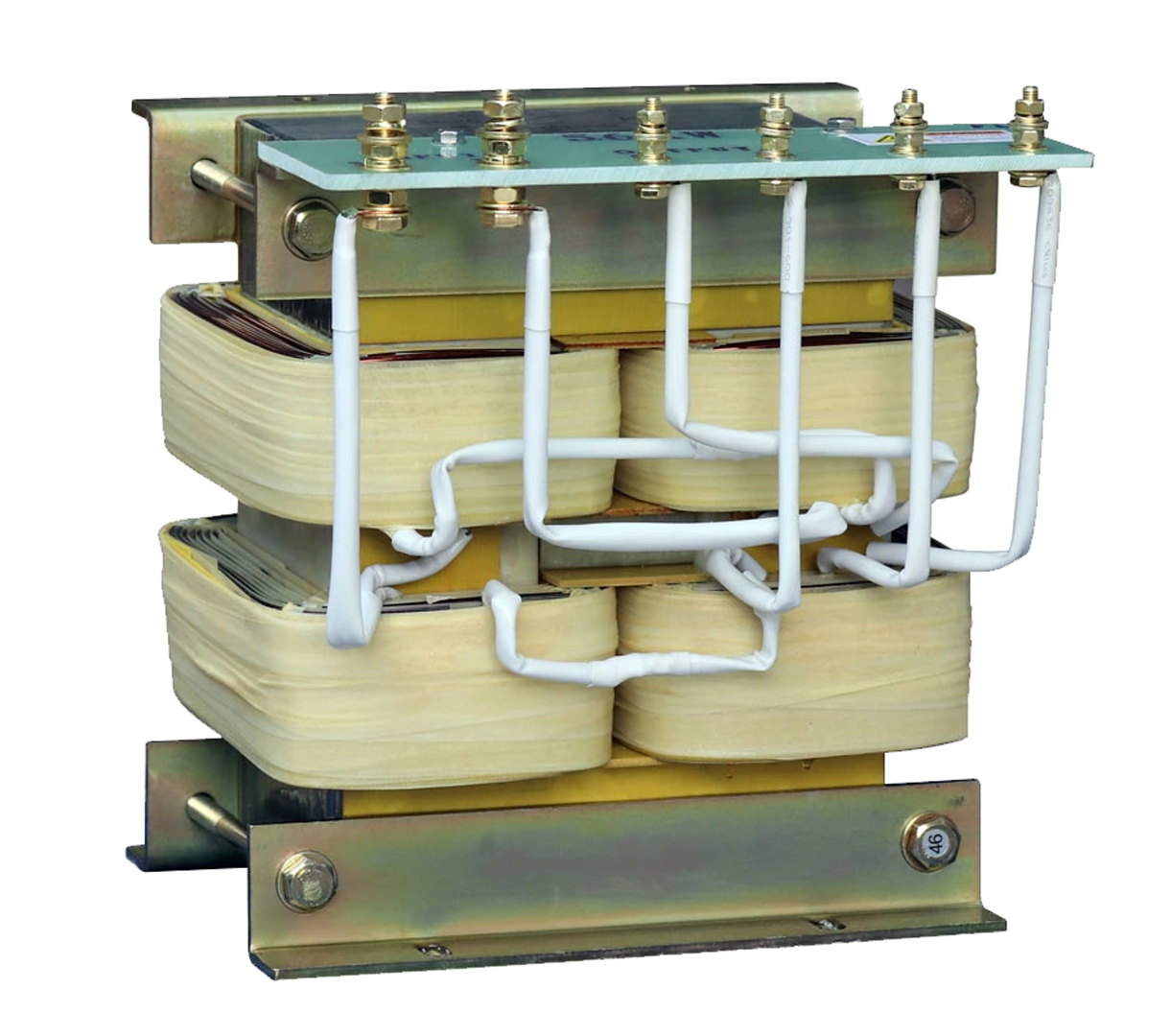
Description
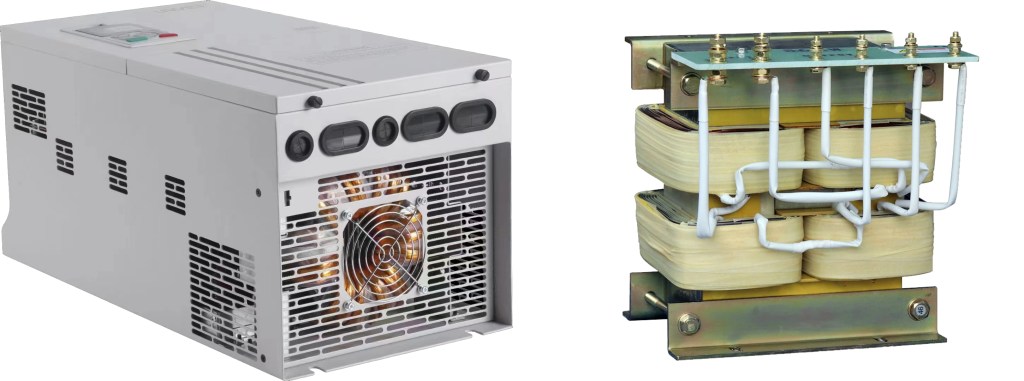
Transformer ballasts, also known as magnetic or electromagnetic ballasts, are the traditional type of ballast used for UV curing lamps. They use coils of wire to create a magnetic field, which regulates the flow of current to the lamp. These ballasts are known for their durability and reliability, as they have been used for many decades in various lighting applications.
Advantages
1. Simplicity : Transformer ballasts are relatively simple in design, making them easier to maintain and repair.
2. Robustness : These ballasts have a long history of use in industrial environments and are known for their durability.
3. Cost-effective : Transformer ballasts are typically less expensive to manufacture and purchase compared to electronic ballasts.
Disadvantages
1. Efficiency : Transformer ballasts are generally less efficient than electronic ballasts because they generate heat during operation, leading to energy loss.
2. Weight and Size : These ballasts are bulkier and heavier than electronic ballasts, which can be a disadvantage in applications with space constraints.
3. Noise : Transformer ballasts can produce audible hum due to the magnetic fields they generate, which can be undesirable in some applications.
4. Limited Control : They offer limited control over the output current and voltage, which can result in less precise control of the UV curing process.
Electronic Ballasts
Description
Electronic ballasts, also known as digital or high-frequency ballasts, are modern devices that use electronic components such as IGBTs and capacitors to regulate the electrical power supplied to UV curing lamps. These ballasts convert AC power to high-frequency DC power, which is then used to drive the lamp.
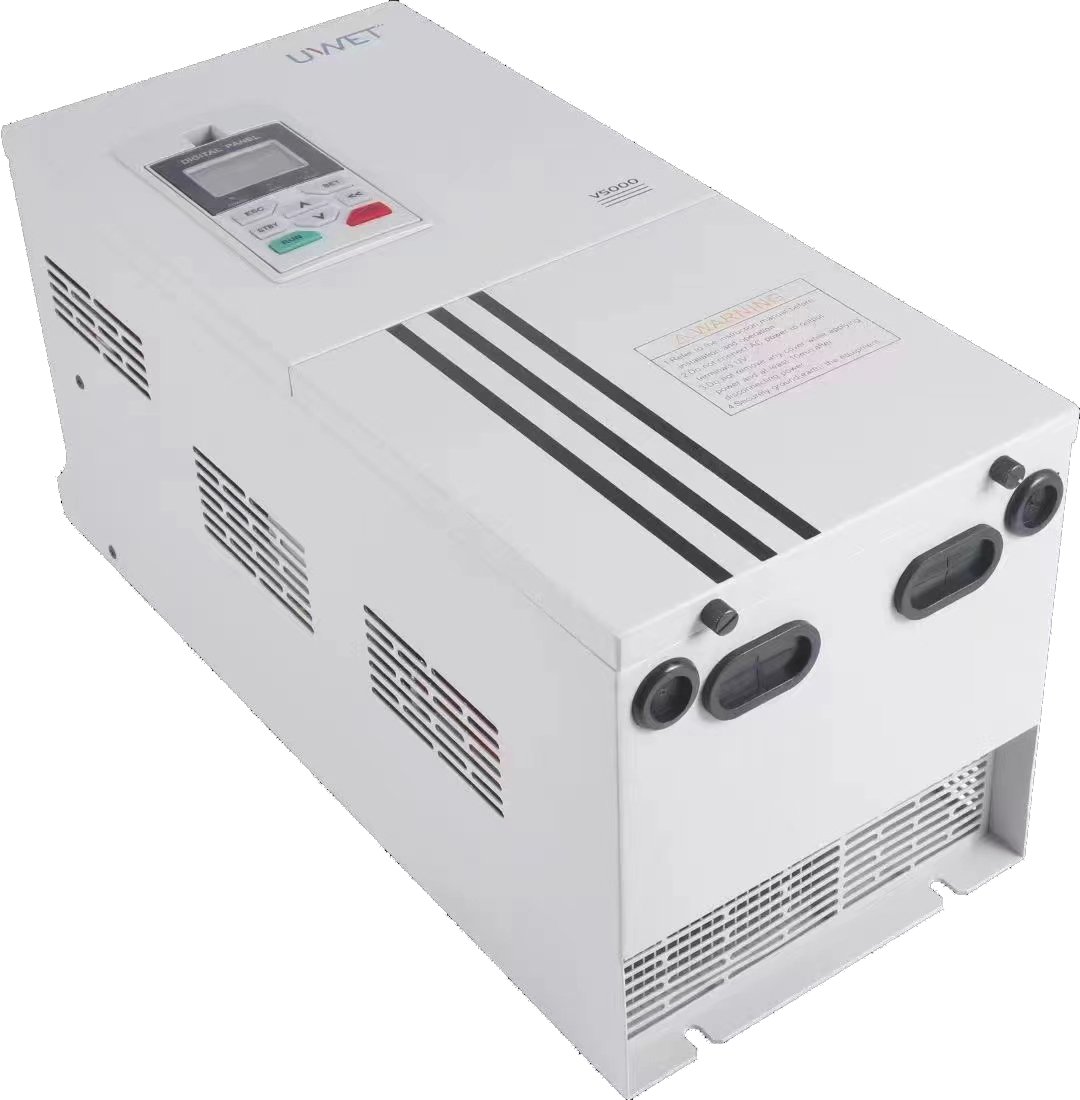
Advantages
- Efficiency : Electronic ballasts are more energy-efficient compared to transformer ballasts, as they operate at higher frequencies and generate less heat.
- Low standby Intensity : In the standby mode the transformer based supply hold the Lamp at 50% power. However in case of Electronic Power supply the standby load is just 30%. This not only saves precious electrical power, it increases the UV Lamp’s life span also.
- Features : Since the Electronic power supply are smart devices they can communicate with the machine’s PLC and HMI. You can features like stepless UV Lamp intensity control on the HMI. Lamp’s parameters like Voltage, Current, power and temperature can be displayed on the HMI.
- Advanced Features : Electronic ballasts often come with advanced features such as dimming capabilities and automatic shut-off for added safety.
- Compact and Lightweight : These ballasts are smaller and lighter, making them suitable for applications with space constraints.
- Noise Reduction : Electronic ballasts operate quietly, with minimal noise production, making them more suitable for quieter environments.
- Precise Control : They offer precise control over current and voltage, allowing for better optimization of the UV curing process.
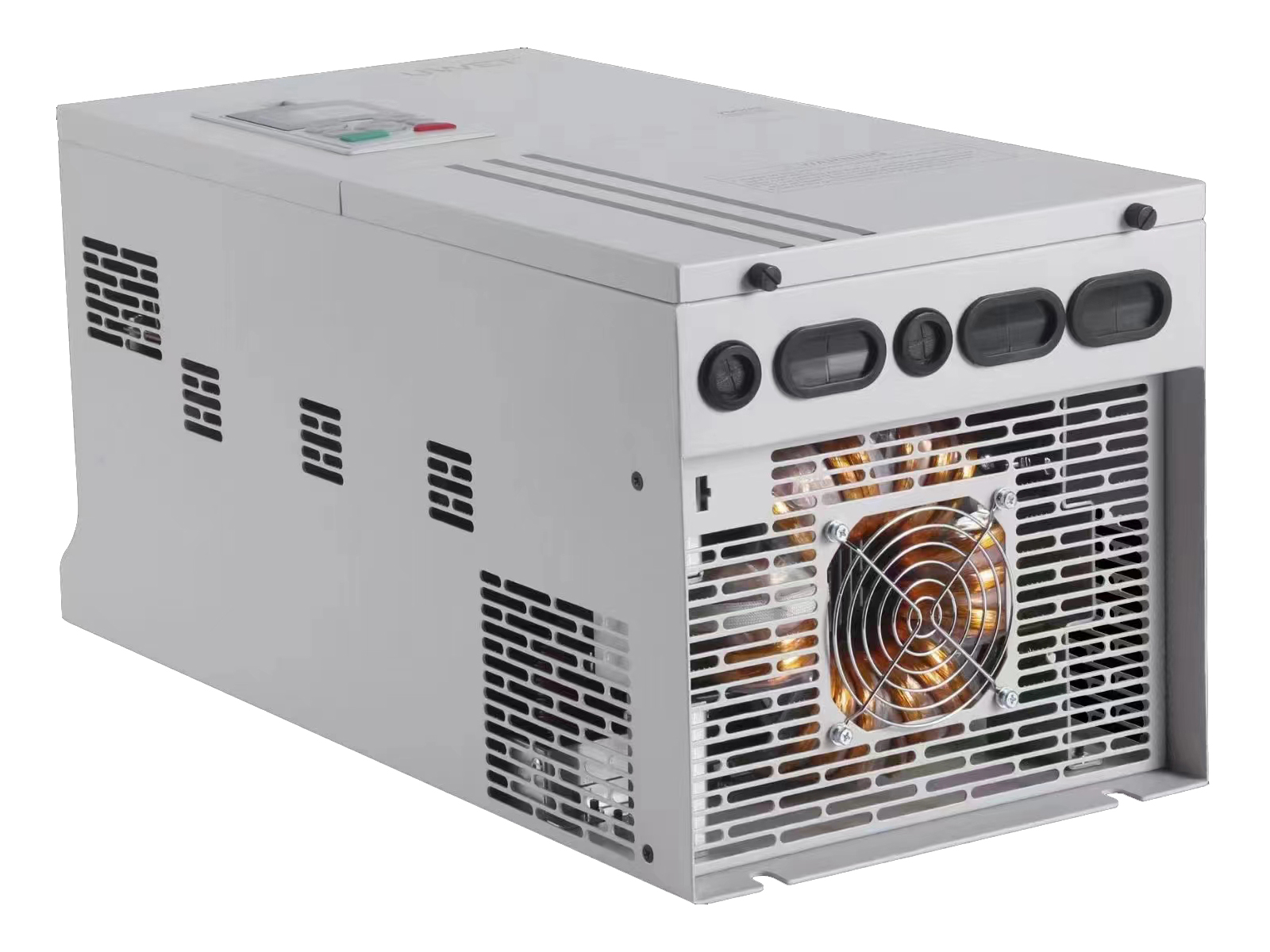
Disadvantages
1. Initial Cost : Electronic ballasts tend to be more expensive initially compared to transformer ballasts.
2. Complexity : The complexity of electronic ballasts can make them more challenging to repair if they malfunction.
3. Potential for Interference : Some electronic ballasts can cause electromagnetic interference (EMI) with other electronic devices in close proximity.
4. Reliability : While electronic ballasts are generally reliable, they can be more susceptible to damage from power surges or fluctuations.
Comparison and Conclusion
Both electronic and transformer ballasts have their own advantages and disadvantages when used with UV curing lamps. Transformer ballasts offer simplicity and robustness at a lower cost, making them a popular choice for many applications. However, they lack the efficiency and advanced features offered by electronic ballasts.
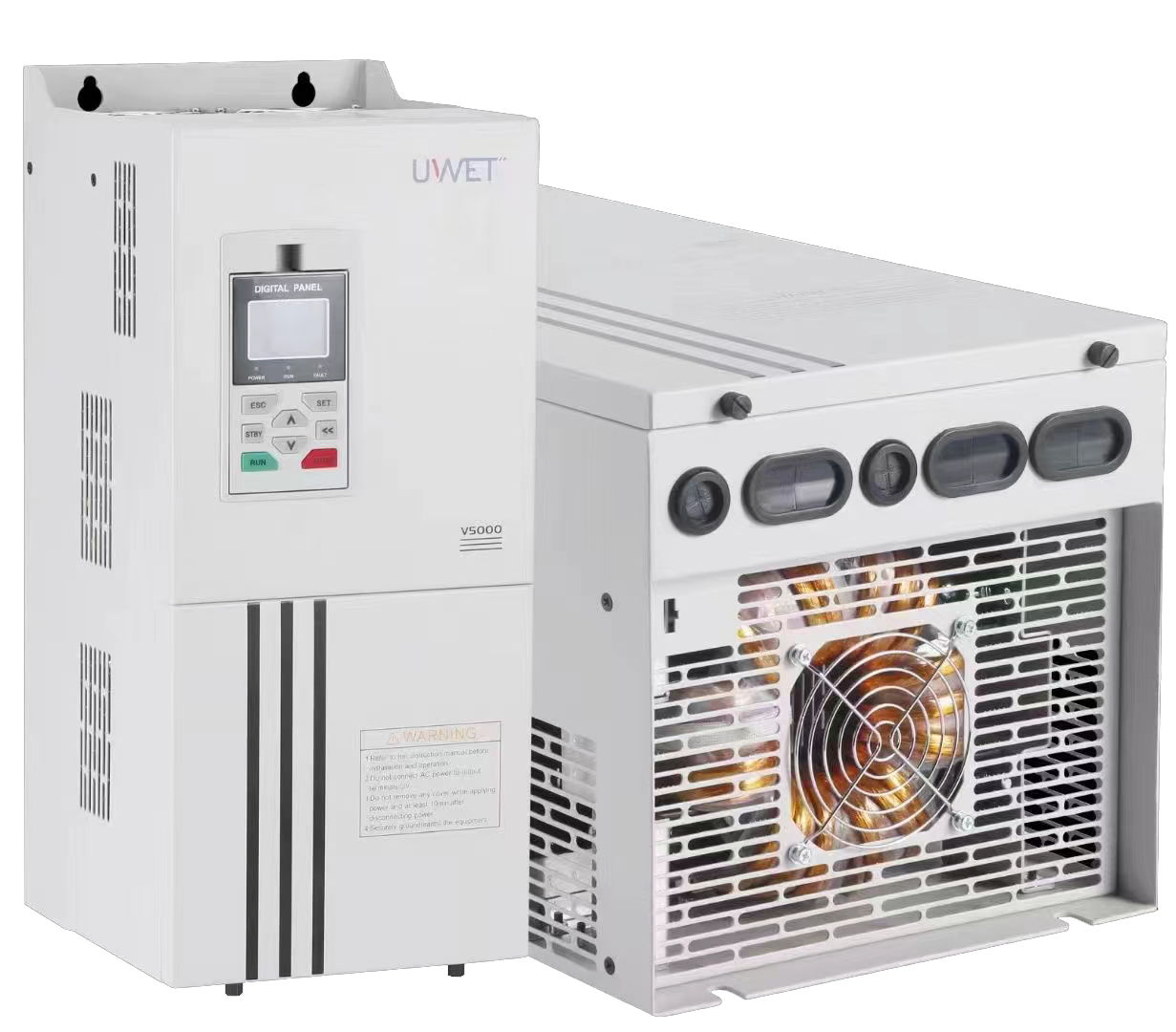
Electronic ballasts, on the other hand, provide greater efficiency, precise control, and additional features that enhance the performance of UV curing lamps. Although they have a higher initial cost, their long-term benefits in terms of energy savings and improved lamp performance often outweigh the upfront investment.
For applications where energy efficiency, precise control, and advanced features are critical, electronic ballasts are the preferred choice. Due to it’s advanced features and safety factors Electronic Ballasts are now gaining popularity and has become the preferred choice for users.
We at DR Optical Disc India Pvt. Ltd. Have more than 20 years of vast experience in the UV technology. We offer state of art Electronic Ballasts and UV Curin g Lamps for your UV systems. You can check www.dr-odi.in for our complete range of products. You can also drop in a mail at director@drodi.in; sales@drodi.in or Whatsapp / Call at +91 92890 91007 for your valuable enquiries. Keep checking my blog for latest updates on UV, printing and packaging solutions.





 DRATHORE - BLOG
Leave a comment